Identity document fraud increased by 72% in 2025. What happened, and what should employers do now?
Identity fraud is no longer a distant threat for employers. It’s becoming more common, more sophisticated and increasingly difficult to spot.
According to TrustID, fraudulent identity documents increased by 72% year-on-year in 2025, driven largely by a rise in imposter fraud and digitally altered documents. The issue is not just limited to recruitment. Across the wider fraud landscape, Cifas reported more than 217,000 fraud risk cases during the first half of 2025 and identified AI-powered document forgery and identity abuse as major emerging threats. Meanwhile, Experian found that almost 60% of businesses experienced increased fraud-related losses, whilst 72% of business leaders expect AI-generated fraud and deepfakes to become a significant challenge by 2026.
How the threat evolved in 2025
TrustID detected fraudulent identity documents originating from more than 50 issuing countries. This growing international spread makes traaditional visual checks far harder, as hiring teams are often unaware and unfamiliar with foreign identity documents.
UK and Irish passports remain prime targets
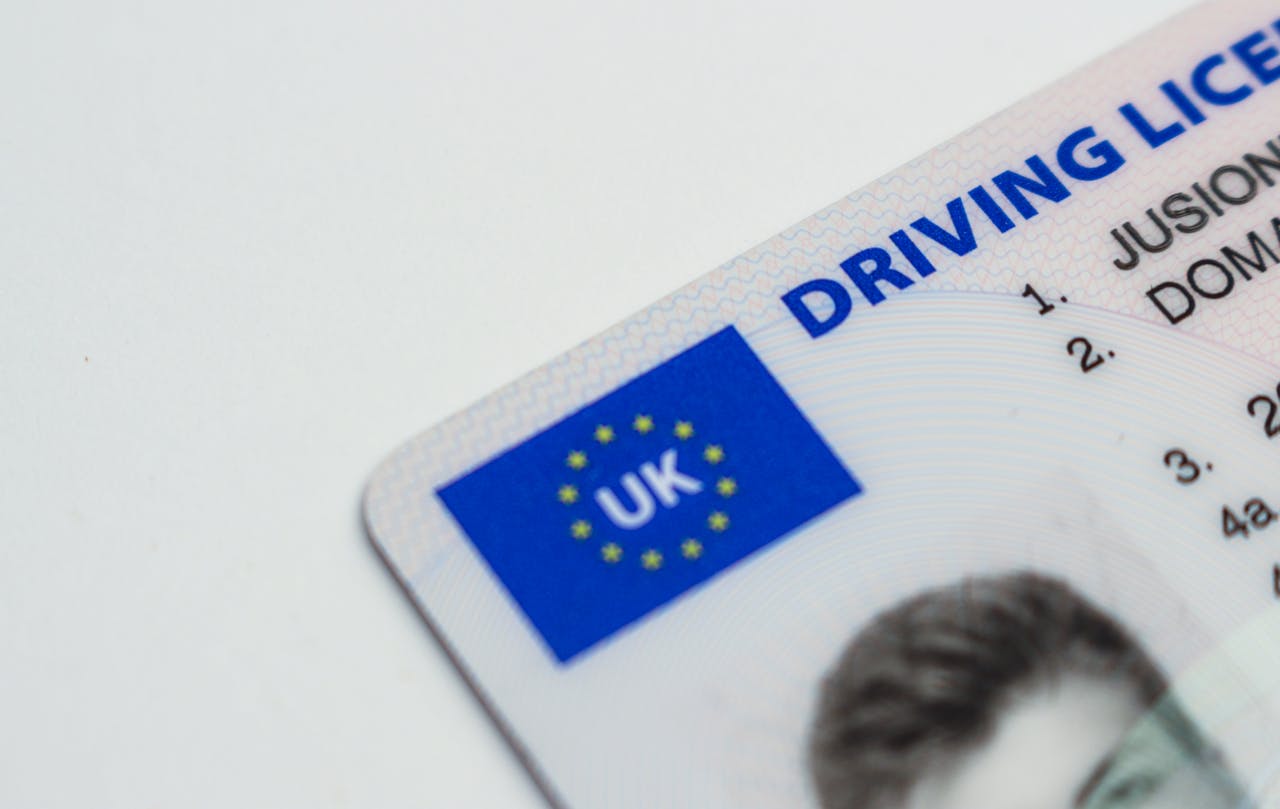
British and Irish passports remain the most frequently falsified documents within the UK, as identified by TrustID. Their widespread acceptance and high value in employment, banking and other verification processes make them attractive targets for fraudsters.
Digital manipulation and deepfakes are becoming commonplace
It isn’t just physical documents that can be used for nefarious purposes. The rise in digitally altered documents and imposter fraud was one of the standout findings in TrustID’s 2025 data. This trend is echoed by Entrust, whose 2025 fraud report identifies document forgery and deepfake technology as some of the fastest-growing threats during onboarding and identity verification processes.
Identity fraud is not just a Right to Work issue
While Right to Work checks remain a key area of concern, TrustID reports growing fraud activity across director verification, student enrolment and Know Your Customer (KYC) processes. Cifas has also highlighted identity abuse across sectors including insurance, telecommunications, gambling and the public sector.
Online fraud continues to rise
Veriff’s 2025 research found that online fraud increased by approximately 21% year-on-year. Impersonation fraud remained the most common method, while account takeover attacks also increased significantly. These same patterns are increasingly affecting recruitment and onboarding processes.
The risk from both sides
Employers now face two distinct but related threats.
Fake candidates targeting employers
Recruitment teams are encountering altered identity documents, imposters attending interviews and even malware hidden within CV attachments. UK cyber security authorities continue to warn that phishing emails and malicious attachments remain some of the most effective methods used by attackers. Recent threat intelligence reports have also documented cybercriminal groups using fake CVs to gain access to company systems through HR departments.
Fraudsters pretending to be employers
At the same time, fake recruiters and fraudulent job adverts are being used to collect money and personal information from job seekers. These scams not only harm candidates but can also damage an employer’s reputation. Experian’s 2025 research found that 57% of consumers are concerned about fraud during online interactions and increasingly expect organisations to have stronger security measures in place.
The compliance landscape employers cannot ignore
Right to Work guidance updates
The Home Office updated its Right to Work guidance on 12 February and 26 June 2025. The changes simplified digital identity checking processes, adopted the term Digital Verification Service (DVS) and clarified acceptable evidence requirements, including the use of eVisas and the fact that expired biometric residence permits are no longer acceptable.
Failure to Prevent Fraud legislation
Since 1 September 2025, large organisations have faced potential prosecution if an associated person commits fraud on their behalf and the organisation cannot demonstrate reasonable fraud prevention procedures.
Official guidance outlines six key principles:
- Top-level commitment
- Risk assessment
- Proportionate controls
- Due diligence
- Communication and training
- Monitoring and review
What SMEs should do now
Move beyond manual document checks
Traditional visual inspections are increasingly ineffective against sophisticated digital manipulation. Accredited digital identity verification and Digital Verification Services can help detect altered documents, deepfakes and imposter attempts more effectively. This approach aligns with findings from both TrustID and Entrust regarding the rapid growth of digital fraud techniques.
Strengthen HR security controls
Recruitment teams should:
- Block high-risk attachment types
- Use document sandboxing for PDFs and other files
- Implement DMARC, SPF and DKIM email protections
- Follow NCSC guidance on phishing prevention
These measures help reduce the risk of malicious CVs becoming an entry point into company systems.
Train hiring managers and recruiters
Teams should be trained to recognise:
- Signs of imposter fraud during interviews
- Suspicious identity documents
- Social engineering tactics
- Deepfake-related warning signs
Protect your employer brand
Employers should consider creating a dedicated “Verify Job Offers” page, actively reporting recruitment scams and monitoring online mentions of their brand alongside employment-related keywords. These steps can help reduce the impact of fake job advertisements and recruiter impersonation scams.
Review compliance and onboarding processes
Organisations should regularly assess their recruitment and onboarding procedures against current Home Office Right to Work guidance and the principles set out within the Failure to Prevent Fraud framework. Maintaining clear records and audit trails is increasingly important.
Monitor fraud trends continuously
Fraud prevention cannot be treated as a one-off project. Experian’s research shows fraud losses continuing to increase, while concerns around AI-enabled attacks continue to grow. Effective fraud prevention requires ongoing monitoring, regular reviews and continuous improvement.
The bottom line
With document fraud increasing by 72% in 2025, and evidence from across the fraud prevention industry pointing to rapidly growing AI-enabled identity abuse, employers need to rethink how they approach hiring verification.
The organisations best prepared for 2026 will be those that adopt faster, more robust and evidence-based identity checking processes while maintaining a positive candidate experience.
Coreus can help businesses build recruitment and onboarding workflows that are compliant, secure and resilient against modern fraud threats.

David Dand - Coreus Founder & Director
David Dand founded Coreus, the specialist talent acquisition consultancy based in Brighton and London. He has spent over 15 years in senior HR and recruitment roles, including time at global firms such as EY and Roche. He is CIPD Advanced HR Level 7 qualified, a licensed career coach and accredited in Hogan psychometric assessment. David built Coreus to help ambitious SMEs compete for the best talent in skilled and regulated markets.